Skip to content


Africa’s traditional medicine systems are deeply rooted in the continent’s extraordinary plant biodiversity, which continues to attract scientific and commercial interest worldwide. Today, as global interest in natural and plant-based therapies continues to grow, African traditional medicine stands at a crossroads between preservation, scientific validation, ethical commercialisation, and sustainability.
Africa is home to an estimated 400,000 to 450,000 plant species, according to research often attributed to botanical scholars such as Andreas S. J. van Proosdij. A significant proportion of these plants have been used for medicinal, spiritual, and therapeutic purposes for generations. Meanwhile, the World Health Organisation (WHO) estimates that around 80% of the population on the African continent relies on traditional medicine for their basic health needs.
The significant contribution of traditional medicine as a major provider of healthcare services in Africa cannot be underestimated.
This biodiversity forms the backbone of traditional healthcare practices across the continent and represents one of Africa’s most valuable natural and cultural assets. This is largely because these herbal remedies have gained popularity worldwide, with their cultivation providing a livelihood for many as the industry becomes a multi-million-dollar enterprise.
Traditional medicine has been used for centuries to enhance well-being, and it remains a central component of healthcare. It draws on the continent’s rich and unique biodiversity of aromatic and medicinal plants.
It is also a promising industry that African countries can further develop to increase their international exports.
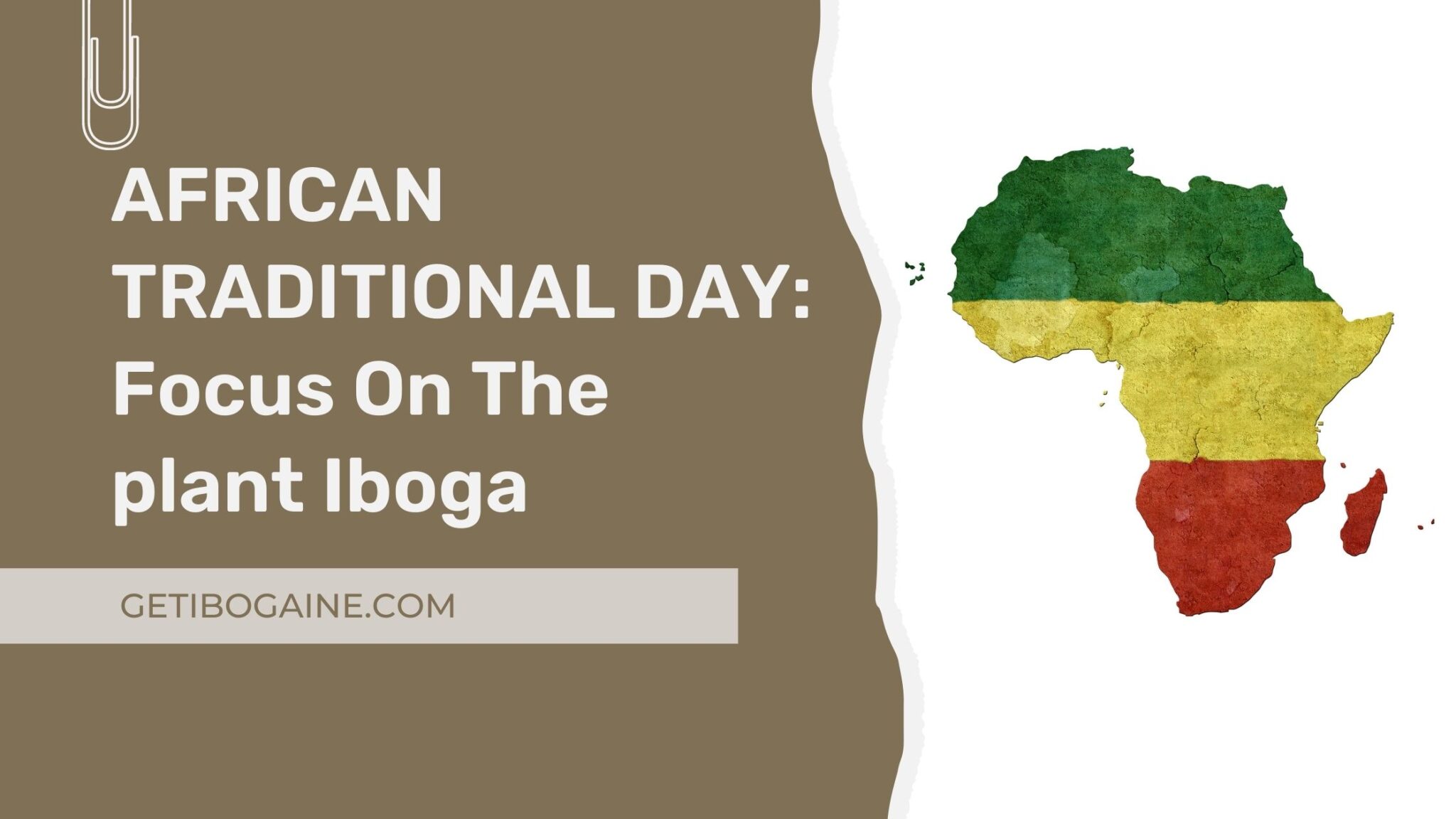
Every year, around the African continent, August 31st is commemorated as African Traditional Medicine Day, and we will be focusing on one of the most important plant medicines originating from the African continent, which is iboga.
The Importance of African Traditional Medicine in Modern Healthcare
Traditional medicine continues to serve as a major healthcare provider across Africa and remains deeply relevant in today’s medical landscape.
For millions of Africans, traditional health practitioners are often the first point of contact for illness, chronic conditions, and preventive care. These practitioners play a crucial role in community health education, early intervention, and culturally appropriate care.
The Focus on African Traditional Medicine Day and Its Significance
This biodiversity forms the backbone of traditional healthcare practices across the continent and represents one of Africa’s most valuable natural and cultural assets.
Why August 31st Matters
African Traditional Medicine Day, celebrated annually on August 31st, highlights the cultural, medical, and economic value of indigenous healing systems. African Traditional Medicine Day serves as an opportunity to acknowledge centuries of indigenous medical knowledge, honour traditional practitioners, and promote research, safety, and sustainability.
Experts such as Professor Nceba Gqaleni, a faculty member at the African Health Research Institute, have emphasised the importance of developing structured programs that bridge traditional medicine and modern scientific research. She also says that a conventional/natural medicine program is currently being developed at AHRI.
Institutional Recognition and Policy Development
The African Union and the WHO Regional Office for Africa formally recognised the importance of traditional medicine by declaring 2001–2010 and 2011–2020 as the Decades of African Traditional Medicine. These initiatives encouraged member states to develop policies, research frameworks, and regulatory systems for traditional health practices.
As a result, more than 40 African countries now have national traditional medicine policies, a significant increase from fewer than ten at the start of the millennium.
Traditional health practitioners and traditional medicine are integral components of the healthcare system for millions of Africans, particularly in rural areas.
Preserving Knowledge for Future Generations
One of the growing concerns surrounding African traditional medicine is the erosion of indigenous knowledge. Many traditional healers are ageing, and without documentation or formal transmission, valuable medical knowledge risks being lost.
Preservation efforts must include respectful collaboration between traditional practitioners, researchers, and public health institutions.
More than 24 African countries now offer academic training programs in traditional medicine for pharmacy and medical students. These programs aim to promote safe, evidence-informed use of herbal medicine alongside conventional care.
Traditional Medicine in the African Health System
Across Africa, meaningful steps have been taken to integrate traditional medicine into formal healthcare structures. It is through regulated practice that a meaningful contribution of Traditional health practitioners in Primary Healthcare activities would be enhanced and facilitated.
The WHO encourages African member states to promote and integrate traditional medical practices into their healthcare systems, and many African countries have incorporated traditional medicine into their national health policies and established regulatory frameworks for traditional medicine practitioners.
Today, over 34 research institutes across Africa are dedicated to traditional medicine research. In at least 15 countries, public funding is regularly allocated to study herbal medicines, safety profiles, and clinical applications.
Additionally, dozens of herbal medicines have received national marketing authorisations, and some are included in national essential medicines lists, demonstrating progress toward regulation and quality control.
Africa’s biodiversity, and thus the region’s traditional medicine, is under threat from climate change, and erosion of Indigenous medical knowledge is occurring as many traditional health practitioners are aging and dying.
It is now increasingly important to protect and preserve traditional healing systems in Africa and other areas of the world.
This can best be accomplished through respectful, open, cross-cultural, and collaborative efforts between traditional healers, their healing systems, and scientific/medical public health research.
The Increased Success Rate in the Use of Traditional Medicine in Africa
During the COVID-19 pandemic, the continent of Africa, through traditional medicine, developed Covid Organics from Madagascar, which was said to be a cure for the deadly virus in Cameroon. The remedies put together by Ash bishop Samuel Kleda in the first 3 months were said to have treated about 3000 people suffering from COVID-19 before the vaccines later on emerged.
While such initiatives reflected innovation and self-reliance, global health authorities emphasised that no traditional remedy was scientifically validated as a cure for COVID-19. Claims of cures, regardless of origin, must always be evaluated through rigorous clinical research.
Is Traditional Medicine The Next Big Thing?
It is no secret again that traditional medicine is increasingly viewed as a promising economic sector when developed ethically and sustainably. Forty countries now have traditional medicine policies, up from eight in 2000, and many have integrated traditional medicine into their national health policies and established regulatory frameworks for traditional medicine practitioners.
Large-scale cultivation of medicinal plants is expanding across Africa, alongside local production of herbal medicines, which will help in the growth of traditional medicine. This growth provides employment, supports rural economies, and opens export opportunities. However, commercialisation must be balanced with sustainability, conservation, and benefit-sharing with indigenous communities.
Academic institutions in 24 countries now offer traditional medicine courses to pharmacies and medical students, and integrated delivery of conventional medical services. In Ghana, the availability of integrated services has doubled from 19 facilities offering these services in 2012 to 40 in 2020.
The Role of Regulation in Industry Growth
Strong regulatory frameworks help ensure product safety, quality, and consistency. They also protect consumers and preserve the integrity of traditional medicine in global markets. In today’s context, it is essential to frame traditional medicine as complementary and supportive, not as a replacement for evidence-based public health measures. Responsible communication protects both public trust and the credibility of traditional healing systems.
Other Countries and Traditional Policies
There are now more than 34 research institutes dedicated to African traditional medicines. In 15 countries, public funding is allocated on a regular basis to traditional medical research.
Almost 90 domestic marketing authorisations have been issued for herbal medicines, and over 40 such medicines are included in national essential medicines lists.
Large-scale cultivation of medicinal plants is also increasing, along with the local production of herbal medicines.
In Ghana, the availability of integrated services has doubled from 19 facilities offering these services in 2012 to 40 in 2020.
Iboga: One of Africa’s Most Influential Traditional Medicines
One very important plant that has been making its way out of Africa in recent years is the iboga plant, which is exploited by many and sold to America, Europe, and other countries around the world.
What is iboga, and where does it Come From?
Iboga (Tabernanthe iboga) is a shrub that is commonly found in Central and West Africa, traditionally used in spiritual and healing practices, particularly within Bwiti traditions. For generations, iboga has been used in initiation rituals, spiritual exploration, and healing ceremonies.
Among Africa’s many medicinal plants, iboga holds a unique and globally recognised position. The popularity of this plant in the market is credited to its ability to treat those who are suffering from a good number of addictions.
This has been seen as one of the most effective treatments against addiction, as a host of clinics exist around the globe. Most clinics in Mexico use this plant to treat patients suffering from various addictions.
Iboga illustrates both the promise and the challenges of African traditional medicine in a globalised world. When approached with respect, scientific caution, and sustainability, it can continue to benefit humanity without being exploited or extinguished.
Iboga’s Global Attention in Addiction Treatment
In recent decades, iboga and its alkaloid Ibogaine HCL have gained international attention for their potential role in addiction interruption. Clinics in regions such as Mexico, parts of Europe, and elsewhere have explored ibogaine-based therapies under varying regulatory conditions.
It is important to note that ibogaine is not an approved medication in many countries and carries known medical risks, particularly cardiac risks. Its use must always be approached with caution, medical screening, and professional oversight.
Sustainability and Ethical Responsibility in Iboga Use
As global demand for iboga grows, sustainability has become one of the most critical issues surrounding the plant. Unregulated harvesting of wild iboga threatens local ecosystems and the long-term availability of the plant. Without sustainable cultivation efforts, iboga faces the risk of depletion.
To address this risk, some organisations and companies in Africa have invested in iboga cultivation. For example, initiatives in Cameroon, including projects by groups such as LJS Group, have focused on planting iboga to reduce pressure on wild populations and ensure future availability.
Such efforts represent a responsible model that aligns economic opportunity with conservation and cultural respect.
The key finding.
But as the continent celebrates the African traditional day this August 31st, sustainability must be practised as these plants cannot just be exploited without a plan to sustain them for future generations to also benefit from them. African traditional medicine should not be considered a relic of the past. It is a living, evolving system of knowledge that continues to support millions of people.
That’s why so many people have invested a lot in planting some of these trees, like the case of ibog, a plant with a company in Cameroon, LJS group, planting a hectare of this plant to serve humanity and ensure that it doesn’t become extinct. By honouring the roots and origin of African traditional medicine, applying modern research responsibly, and protecting its natural resources, Africa can ensure that traditional medicine remains a source of healing, cultural pride and economic opportunity for generations to come
Thanks for taking the time to listen to this podcast today. We hope the topic of African traditional medicine was helpful to you all. We hope to see you soon.
The best and most reliable site to buy iboga and ibogaine-related products online, https://getibogaine.com/.
Educational Disclaimer
This article is for educational purposes only and does not constitute medical advice. Traditional medicine and herbal medicines vary in safety and effectiveness. Always consult qualified healthcare professionals before using any medicinal plant or therapy.