Skip to content



What is Ibogaine
Ibogaine is a naturally occurring psychoactive compound that occupies a unique and often misunderstood place in the world of medicine, psychology, and consciousness studies. It is neither a conventional pharmaceutical nor a recreational substance.
Instead, Ibogaine is best understood as a deep-acting neuroactive and psycho-spiritual compound that affects the brain and mind at multiple levels simultaneously.
Extracted from the root bark of the African Iboga plant (Tabernanthe iboga), Ibogaine has been used for centuries in traditional African healing systems and, more recently, has attracted global attention for its potential role in addiction recovery and neurological repair.
People who undergo Ibogaine experiences frequently describe them as among the most intense, revealing, and transformative experiences of their lives. The compound appears to work by addressing the root causes of addictive behavior, emotional trauma, and neurological imbalance, rather than merely managing their outward symptoms.
Defining Ibogaine properly requires looking beyond simple labels like “psychedelic” or “addiction treatment.” Ibogaine is a complex agent that interacts with the brain’s chemistry, structure, and memory systems in ways that modern science is still working to fully understand.
It also produces a profound introspective experience that allows individuals to see their lives, habits, and emotional patterns with unusual clarity. For many, Ibogaine represents not just a treatment, but a turning point.
Although ibogaine is legal in many countries, individuals should familiarize themselves with the U.S. classification while getting ibogaine for sale.
How Does Ibogaine Work?
To understand how Ibogaine works, it is necessary to examine both its biological mechanisms and its psychological effects, as these two aspects are deeply interconnected.
Ibogaine’s Interaction with the Brain
Ibogaine works in a fundamentally different way from most medications used in addiction or mental health treatment. Traditional drugs typically target a single neurotransmitter system or receptor.
Ibogaine interacts with several neurotransmitter systems, including the dopamine, serotonin, glutamate, opioid, and sigma receptors. This multi-system interaction is one reason Ibogaine produces effects that differ from standard detox medications. Instead of targeting a single pathway, Ibogaine appears to temporarily disrupt dysfunctional neurological loops associated with dependency and compulsive behavior.
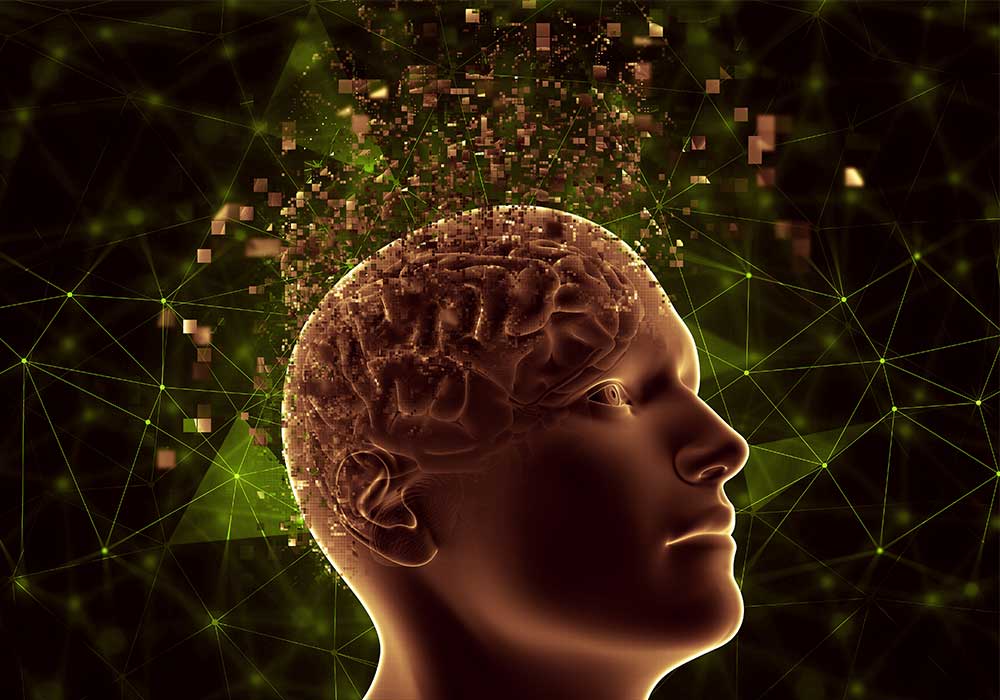
One of Ibogaine’s most notable actions is its effect on the brain’s reward circuitry. In individuals struggling with addiction, the reward system becomes dysregulated, making substances feel necessary for survival rather than optional sources of pleasure. Ibogaine appears to interrupt this cycle by modulating dopamine signaling and reducing the intensity of cravings.
Many people report that after Ibogaine, the compulsive drive to use substances simply disappears or becomes manageable for the first time in years.
Ibogaine’s effects on cravings and withdrawal symptoms vary between individuals. No outcome can be guaranteed. Ibogaine is not an FDA-approved treatment and should not be considered a standalone cure for addiction.
Neuroplasticity and Neural Reset
Another critical aspect of how Ibogaine works is its influence on neuroplasticity. Neuroplasticity refers to the brain’s ability to adapt, reorganize, and form new neural connections. Chronic substance use, trauma, and stress reduce this flexibility, locking individuals into rigid behavioral and emotional patterns.
Research suggests that Ibogaine increases the expression of neurotrophic factors, particularly Brain-Derived Neurotrophic Factor (BDNF), which supports neuron survival and synaptic growth. By increasing these factors, Ibogaine creates a biological environment that favors healing and reorganization. This is often described as a “reset,” not because the brain is wiped clean, but because harmful patterns lose their dominance.
While neuroplasticity is a well-established scientific concept, research on Ibogaine’s long-term neurological effects in humans is ongoing. Claims regarding brain regeneration should be understood as emerging hypotheses, not definitive medical conclusions.
Psychological and Cognitive Processing
Ibogaine also induces a distinct psychological state characterized by heightened introspection and memory recall. Unlike many psychedelics, Ibogaine tends to reduce emotional reactivity rather than amplify it. Individuals often report observing their thoughts, memories, and behaviors with clarity and emotional distance.
This detached awareness allows people to process difficult experiences without becoming overwhelmed. Traumatic memories may surface, but they are often accompanied by understanding rather than panic. This combination of emotional safety and insight is one of the reasons Ibogaine can catalyze big psychological change.
Use of Ibogaine
Ibogaine has been used for a range of purposes, both historically and in modern contexts, with addiction treatment being the most widely recognized application.
Here is how ibogaine is used;
1. Ibogaine for Addiction Interruption
The most common modern use of Ibogaine is in the treatment of substance dependence, particularly opioid addiction. Ibogaine has the rare ability to significantly reduce or eliminate withdrawal symptoms while simultaneously addressing psychological cravings. This dual action distinguishes it from most detoxification methods.
People undergoing Ibogaine treatment often report that physical withdrawal symptoms such as muscle pain, nausea, anxiety, and insomnia are dramatically reduced.
From a clinic-safe perspective, Ibogaine is best understood as a potential interruption rather than a cure. It may help reduce acute withdrawal symptoms and provide psychological insight, but long-term recovery depends on continued care, behavioral changes, and support systems.
Ibogaine does not replace medically assisted treatment, psychotherapy, or long-term recovery programs. Relapse remains a possibility without proper aftercare and lifestyle modifications.
2. Use in Alcohol, Stimulant, and Nicotine Dependence
Ibogaine has also been used by individuals struggling with alcohol, cocaine, methamphetamine, and nicotine dependence. While the physical withdrawal interruption is most dramatic with opioids, the psychological benefits extend across many forms of addiction.
In cases of stimulant or alcohol use, the insights gained during the Ibogaine experience often play a central role. People frequently come to understand the emotional or psychological reasons behind their substance use, which helps dissolve the internal conflict that sustains addiction.
3. Personal Growth and Mental Health Exploration
Beyond addiction, some individuals seek Ibogaine for personal development, trauma processing, or mental health exploration. People dealing with depression, anxiety, post-traumatic stress, or existential confusion often report meaningful improvements following Ibogaine experiences.
It is important to emphasize that Ibogaine is not a cure-all. It does not replace therapy, lifestyle changes, or ongoing support. Instead, it can act as a powerful catalyst that accelerates insight and opens the door to deeper healing work.
Before making a decision to purchase ibogaine for sale, please read our 5 Guides to Buying Ibogaine.
Ibogaine Therapy
Ibogaine therapy refers to the structured, supervised administration of Ibogaine within a setting designed to prioritize safety, monitoring, and post-experience integration.
Medical Screening and Eligibility
Responsible Ibogaine therapy begins well before the substance is administered. Comprehensive medical screening is essential, particularly cardiac evaluation, as Ibogaine’s most well-known consequence is that it can affect heart rhythm. Blood tests, electrocardiograms, and a thorough review of the medical history help identify potential risks.
Psychological preparation is equally important. Individuals are encouraged to clarify their intentions and understand that Ibogaine is not an escape from responsibility. The experience often brings unresolved issues into focus, requiring readiness and a willingness to be honest.
Disclaimer: Individuals with certain cardiac conditions, liver disease, or specific psychiatric diagnoses may not be eligible. Screening is not a formality; it is a critical safety requirement. Ibogaine carries medical risks. Only qualified medical professionals can determine eligibility. Self-administration is strongly discouraged and may be dangerous.
Treatment Environment and Monitoring
Ibogaine therapy should occur in a calm, medically monitored environment. Continuous observation allows early identification of adverse reactions and provides reassurance to the participant. This is why we recommend that you look for the Best Iboga Treatment Centers and Their Costs.
The experience itself is internally driven, with minimal external interaction during peak effects. The role of the clinical team is to ensure safety, not to provide psychological interpretation during the experience.
Unlike talk-based therapies, Ibogaine therapy does not involve active guidance during the peak experience. The compound itself directs the process, while facilitators focus on physical well-being.
Integration and Long-Term Support
Integration is a critical component of Ibogaine therapy. The insights gained during the experience must be translated into daily life for lasting change to occur. This often involves therapy, lifestyle adjustments, relationship repair, and community support.
Without integration, the benefits of Ibogaine may diminish over time. With proper support, however, the experience can become a foundation for sustained recovery and personal growth. Clinics that emphasize integration tend to see more sustainable outcomes than those that focus solely on the dosing experience.
Ibogaine Side Effects
Any responsible discussion of Ibogaine must include a clear and honest explanation of potential side effects. While Ibogaine offers significant potential benefits, it also carries risks that must be clearly understood and respected.
Physical Side Effects
Common physical side effects of Ibogaine include nausea, vomiting, dizziness, and temporary coordination issues. Fatigue is also common in the days following treatment as the body recovers from the procedure. These effects are usually temporary and manageable with proper care.
The most serious physical risk associated with Ibogaine involves the cardiovascular system. Ibogaine can prolong the QT interval of the heart rhythm, which is why cardiac screening and monitoring are essential. Most adverse events linked to Ibogaine have occurred in unsupervised or improperly screened settings.
Adverse events have occurred, especially in unsupervised or improperly screened settings. Medical oversight significantly reduces but does not eliminate risk. You can read more about the risk factors associated with ibogaine.
Psychological and Emotional Challenges
Ibogaine can bring up intense emotions and memories. While many people find this process healing, it can be challenging, especially for those who are unprepared for deep introspection. Temporary anxiety, emotional sensitivity, or confusion may occur during or after the experience.
These effects are typically part of the processing phase and tend to resolve as insight integrates. Ongoing support significantly reduces the likelihood of long-term psychological distress.
Importance of Professional Oversight
Ibogaine is a powerful medicine and should never be approached casually. Professional oversight, adherence to ethical standards, and thorough screening dramatically reduce risks. When used responsibly, the safety profile of ibogaine improves significantly.
Ibogaine Experience
The Ibogaine experience is often described as long-lasting, introspective, and structured. Unlike recreational psychedelics, it tends to produce clarity rather than emotional overwhelm.
The Visionary and Introspective Phase
After ingestion, individuals typically enter a prolonged introspective state lasting several hours. During this phase, many experience vivid memories, symbolic imagery, and a detailed review of their life experiences. These experiences are often described as organized and reflective rather than chaotic.
Emotional clarity is a defining feature. Instead of being overwhelmed by feelings, individuals often observe their experiences with calm awareness, which enables them to process difficult material constructively.
The Reflective and Integration Phase
Following the visionary stage, a period of reflection and emotional settling occurs. Thoughts feel clearer, emotions feel balanced, and insights begin to take root. This phase can last anywhere from a few days to several weeks and often determines the long-term impact of the experience.
Many people report improved mood, reduced anxiety, and renewed motivation during this period.
Long-Term Changes and Perspective Shifts
One of the most remarkable aspects of Ibogaine is how its effects continue to unfold over time. Changes in behavior, emotional regulation, and self-perception often develop gradually, reinforcing the sense that Ibogaine initiates a process rather than delivering a one-time effect.
Ibogaine Success Rate
The success rates of ibogaine therapy are widely debated, but one fact remains clear: the demand for ibogaine has significantly increased over the years. More individuals are seeking ibogaine therapy around the world. In countries where it is legal, the number of ibogaine treatment centers has grown by approximately 75%. This trend suggests a sustained increase in demand for ibogaine. As many people struggle to find effective solutions for their addictions through traditional treatments, they are increasingly turning to ibogaine as an alternative.
At Get Ibogaine, we are proud to report increased success rates as more individuals work with our team to overcome their addiction. While we haven’t succeeded in every case, some users may relapse after several months of being free; these instances are rare. Our success rates show that we achieve a 90% success rate in helping those with addictions lasting 2 to 5 years, and an 80% success rate for individuals battling addictions of 6 to 30 years.
Please note that this is not limited to us; you can check out other treatment centers and see numerous testimonials featuring ibogaine.
Conclusion
Ibogaine is one of the most powerful and complex substances currently being explored for addiction recovery and psychological healing. It is not a miracle cure, nor is it a recreational drug. Ibogaine works by addressing the neurological, psychological, and emotional roots of destructive patterns, offering individuals a rare opportunity to reset their relationship with themselves.
When used responsibly and supported by proper integration, Ibogaine can provide clarity, balance, and insight that make lasting change possible. Its greatest value may lie not in what it removes but in what it restores: the brain and mind’s natural capacity for awareness, resilience, and growth.
As research continues and understanding deepens, Ibogaine may play an increasingly important role in the future of mental health and addiction treatment. More than anything, it reminds us that healing is not about suppression or escape, but about restoring wholeness from within.
Medical & Educational Disclaimer
This content is provided for educational purposes only and does not constitute medical advice. The FDA and many international regulatory agencies do not approve Ibogaine. Ibogaine carries known medical risks and should only be considered under the supervision of qualified medical professionals. Outcomes vary by individual. Always consult a licensed healthcare provider before making medical decisions.