Skip to content


Ibogaine capsules are increasingly discussed online by people seeking alternatives for addiction recovery, personal transformation, or a deeper understanding of the iboga plant. Despite their growing visibility, there is still widespread confusion about what ibogaine capsules actually are, how they differ from other iboga-based products, and what role they can realistically play in modern healing or recovery contexts.
Many people encounter terms such as iboga capsules, ibogaine HCl capsules, iboga total alkaloids (TA), or even the combined keyword ibogainecapsules, often without clear explanations. Others search for phrases like buy ibogaine capsules without fully understanding the legal, medical, and safety considerations involved.
This article provides an up-to-date, medically responsible, and educational deep dive into ibogaine capsules. It explains what they are, how they differ from other iboga preparations, why the capsule form exists, what the science says about their effects, and what anyone considering them should understand before making a decision.
Understanding what is Iboga and Ibogaine: Setting the Foundation
Before discussing ibogaine capsules in detail, it is very important to understand and get to know the plant called Iboga Tabernanthe, especially for those new to the plant and getting to know it for their first time, the derivatives and the compound it originates from.
What is Tabernanthe iboga?
The plant known as Tabernanthe iboga is a perennial shrub commonly found in Central Africa, particularly Gabon, Cameroon, and the Congo Basin. For ages past, its root bark has been used in traditional Bwiti practices, especially in initiation ceremonies and rites of passage.
In these traditional settings, iboga is not used casually. It is approached with ritual preparation, guidance from experienced traditional practitioners, and strong community support. These cultural and traditional procedures are often missing in modern, unsupervised use, which is why education and caution are critical today.
What Is Ibogaine?
Ibogaine HCL is one of several alkaloids found in iboga root bark, and it is the compound most studied in scientific and medical contexts. It is classified as an indole alkaloid with complex pharmacological activity.
Ibogaine affects multiple systems in the brain simultaneously, including opioid receptors, serotonin pathways, NMDA receptors, and sigma receptors. Its primary metabolite, noribogaine, remains active in the body for days, contributing to prolonged psychological and physiological effects.
This complexity helps explain why ibogaine has attracted attention for addiction recovery, but it also explains why ibogaine capsules, regardless of form, carry real medical risks, particularly related to the cardiac system.
What Are Ibogaine Capsules?
The phrase ibogaine capsules in general is often used broadly, but in real life, it can refer to several distinct products, such as iboga root bark capsules, iboga TA Capsules and even ibogaine capsules. Understanding these differences is essential for safety and informed decision-making if you want to buy ibogaine capsules.
Iboga Root Bark Capsules
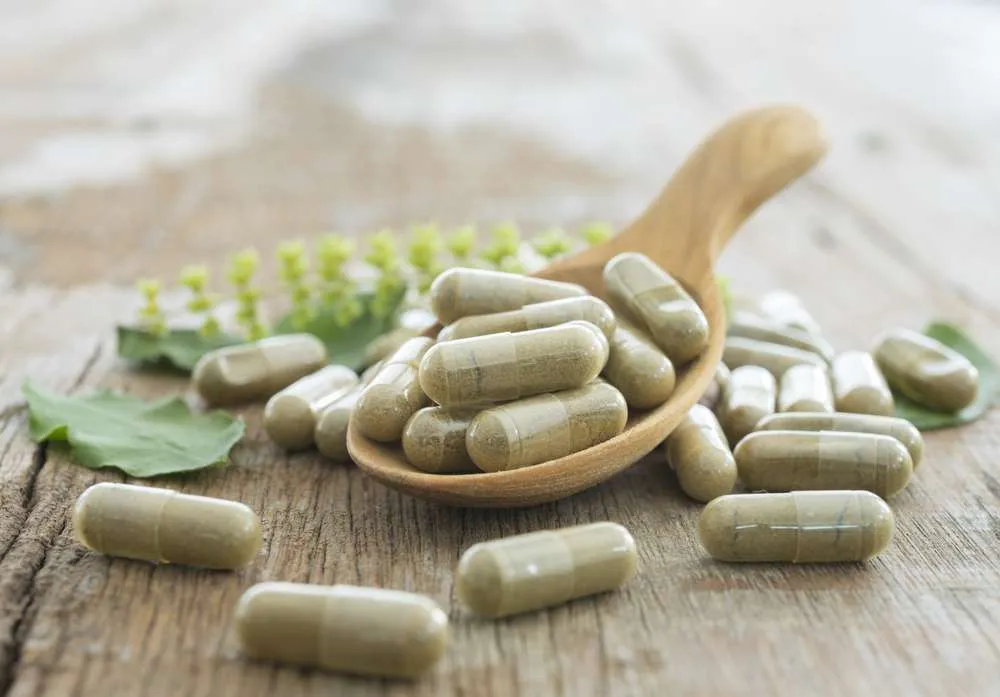
Iboga root bark capsules are made by drying the root bark of the iboga plant, grinding it into a powder, and encapsulating that powder. These capsules contain the full spectrum of naturally occurring alkaloids found in the plant. Naturally, when we talk about iboga capsules, we are referring to iboga root bark capsules, which are the most common.
Because alkaloid concentrations vary depending on plant age, soil, harvesting methods, and processing, the potency of root bark capsules is highly inconsistent. This variability makes precise dosing difficult and increases unpredictability and risk during ingestion.
In modern clinical contexts, iboga root bark capsules are not considered a reliable or safe option for addressing addiction or medical conditions without medical expert supervision.
Iboga Total Alkaloids (TA) Capsules
Iboga TA capsules contain a concentrated extract of multiple alkaloids isolated from iboga root bark. This extract removes much of the plant material while preserving a mixture of psychoactive compounds.
TA is more potent than raw root bark but less refined than pure ibogaine. Because multiple alkaloids act simultaneously, the effects can be intense and unpredictable. Iboga TA capsules are typically reserved for highly experienced practitioners and are not appropriate for casual or unsupervised use.
Ibogaine HCl Capsules
Ibogaine hydrochloride (HCl) capsules contain a purified, crystalline form of ibogaine. This is the most standardised and measurable form of ibogaine available today.
In research and clinical settings, ibogaine HCl is preferred over raw plant material because its dosage can be calculated more precisely. However, precision does not equal safety. Even in capsule form, ibogaine HCl affects cardiac conduction and carries the same medical risks as other forms.
Capsules are simply a delivery method. They do not eliminate risk.
Why Capsule Form Exists
Many people assume capsules exist to make ibogaine safer. In reality, their advantages are narrower.
Ease of Ingestion and Palatability
Iboga preparations are extremely bitter and can cause nausea. Capsules make ingestion easier and more tolerable, especially in controlled environments.
This convenience is one reason people searching for ibogaine capsules are drawn to capsule form.
Standardisation in Purified Products
For ibogaine HCl, capsules allow for consistent measurement, which is important in research and supervised treatment settings. This is one reason ibogaine capsules are often discussed in clinical contexts. It is because of this that it has turned out to be the most go-to treatment option for any form of addiction.
What Capsules Do Not Change
It is crucial to understand that ibogaine capsules do not:
- Reduce cardiac risk
- Eliminate drug interactions
- Make ibogaine legal everywhere
- Make self-treatment safe
Anyone researching how to buy ibogaine capsules should understand that capsules are not a shortcut.
Ibogaine Capsules and Addiction: Modern Scientific Perspective
Ibogaine’s reputation in addiction recovery is complex and often misunderstood. Observational studies, case reports, and patient accounts suggest that ibogaine may reduce opioid withdrawal severity and temporarily interrupt addictive patterns. Many individuals report reduced cravings, improved insight, and emotional clarity after treatment.
Neurobiologically, ibogaine appears to influence reward circuitry and neuroplasticity, which may help explain these effects.
Why Ibogaine Is Not a Cure
Despite promising observations, ibogaine is not a cure for addiction. Relapse remains possible, particularly without structured aftercare, therapy, and lifestyle change.
Moreover, ibogaine has been associated with serious adverse events, including fatal cardiac arrhythmias. These risks are why ibogaine is restricted or illegal in many jurisdictions.
Medical Screening: The Most Important Factor
No article on ibogaine capsules is complete without emphasising screening.
Cardiac Risk and ECG Screening
Ibogaine can prolong the QT interval and trigger dangerous arrhythmias. An ECG is essential before any exposure to ibogaine, regardless of form.
Medication Interactions
Many medications interact dangerously with ibogaine, including antidepressants, antipsychotics, stimulants, and heart medications. Capsule form does not reduce this risk.
Electrolyte and Nutritional Status
Electrolyte imbalance significantly increases cardiac risk. Correcting deficiencies before treatment is critical.
Legal Reality: What “Buy Ibogaine Capsules” Really Means
Searches for buy ibogaine capsules are common, but legality is often overlooked.
Ibogaine’s Legal Status
Ibogaine does not have a uniform legal status worldwide. Instead, it exists in a complex patchwork of laws that differ significantly from one country to another.
In the United States, ibogaine is classified as a Schedule I substance under the Controlled Substances Act. This classification means it is considered to have no accepted medical use and a high potential for abuse, despite ongoing research and international use. As a result, it is illegal to manufacture, possess, distribute, or sell ibogaine, including ibogaine capsules, within the U.S.
In many European countries, ibogaine is either illegal or tightly controlled. Some nations explicitly ban it, while others classify it under broader psychoactive substance laws. A few countries have ambiguous or grey-area regulations, but this does not mean ibogaine is legally protected or safe to import.
In parts of Latin America, particularly Mexico, ibogaine itself may not be explicitly scheduled, which is why some ibogaine clinics operate there. However, this legal tolerance applies to treatment settings, not necessarily to international shipping, retail sales, or personal possession in capsule form.
In Africa, particularly in countries where iboga is native, traditional use may be culturally recognised, but this does not automatically legalise modern extraction, export, or commercial distribution of ibogaine capsules.
The key point is this: legality depends not only on the substance but also on the country, the form, the intent, and the method of distribution.
Ethical Responsibility in Information Sharing
Responsible platforms focus on education, consultation, and harm reduction rather than encouraging direct purchase. Transparency about legal risk is part of ethical education.
Why Legal Awareness Is a Safety Issue, Not Just a Technicality
Legal consequences are not just administrative inconveniences. They can create stress, fear, and instability, all of which are counterproductive for individuals already dealing with addiction recovery, trauma, or mental health challenges.
A responsible approach to ibogaine education includes encouraging individuals to:
- Understand local laws fully
- Avoid impulsive purchasing decisions
- Seek legal and medical clarity before acting
- Prioritise safe, lawful treatment pathways
Legal awareness is part of harm reduction.
Capsule Form Does Not Change Legal Status
One of the most common misconceptions is that encapsulating ibogaine somehow makes it legal or less regulated. This is not true.
From a legal standpoint, ibogaine capsules are treated the same as ibogaine in any other form. Whether ibogaine is in powder, liquid, capsule, or tablet form, it remains ibogaine under the law.
Similarly, encapsulated iboga root bark or iboga TA may still fall under controlled substance laws, plant medicine restrictions, or import/export regulations, depending on the jurisdiction.
This means that searching for or attempting to buy ibogaine capsules does not bypass legal restrictions. In many cases, it increases risk because capsules are easier to identify and classify during customs inspections.
Medical Screening: The Most Important Factor
No article on ibogaine capsules is complete without emphasising screening.
Cardiac Risk and ECG Screening
Ibogaine can prolong the QT interval and trigger dangerous arrhythmias. An ECG is essential before any exposure to ibogaine, regardless of form.
Medication Interactions
Many medications interact dangerously with ibogaine, including antidepressants, antipsychotics, stimulants, and heart medications. Capsule form does not reduce this risk.
Electrolyte and Nutritional Status
Electrolyte imbalance significantly increases cardiac risk. Correcting deficiencies before treatment is critical.
Integration and Long-Term Outcomes
The form of ibogaine matters far less than what happens afterwards.
Psychological Integration
Without integration, insights fade. Therapy, reflection, and support help transform experience into lasting change.
Lifestyle Change and Community Support
Recovery is sustained through routine, relationships, accountability, and purpose, not through the format of ibogaine delivery.
Conclusion
Ibogaine capsules are one method of delivering compounds derived from the iboga plant, but they are not inherently safer, simpler, or more effective than other forms. Understanding the differences between iboga root bark, iboga TA, and ibogaine HCl is essential for informed decision-making.
In today’s context, ibogaine must be approached with caution, realism, and respect. Capsule form does not eliminate risk, replace supervision, or guarantee healing. What matters most is accurate education, medical screening, legal awareness, and comprehensive integration support.
Anyone researching ibogaine capsules, ibogainecapsules, or how to buy ibogaine capsules should prioritise safety and understanding over convenience or marketing claims.