Skip to content


Addiction remains a significant global challenge, encompassing substance abuse, behavioral dependencies, and mental health issues. As we face this crisis in 2026, it’s crucial to understand the various dimensions of addiction, from drug misuse and overdose deaths to the rise of behavioral addictions.
Below, we explore the top 10 facts about addiction, providing insights to help foster a more informed and compassionate approach to treatment and prevention.
Table of Contents
1. Addiction is a Global Issue Affecting Millions
According to the World Health Organization (WHO), over 35 million people globally suffer from addiction. This figure encompasses dependencies on substances such as alcohol, drugs, and tobacco, as well as behavioral addictions like gambling and gaming.
These staggering numbers highlight that addiction is a global problem, affecting individuals regardless of geographic location or socioeconomic status.
For those wondering “what are some facts about addiction,” it’s essential to understand that this issue transcends borders and impacts a wide range of populations.
2. Substance Use Disorders in the United States are Prevalent
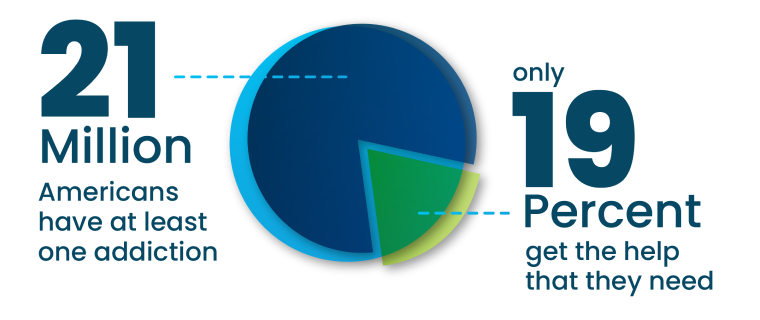
In the United States, the prevalence of substance use disorders (SUDs) remains alarmingly high. As of 2020, over 21 million Americans aged 12 and older had a SUD, according to the National Survey on Drug Use and Health (NSDUH). This includes dependencies on alcohol, illicit drugs, and prescription medications, illustrating how deeply rooted addiction is across various demographics.
The Substance Abuse and Mental Health Services Administration (SAMHSA) provides essential resources and support for those battling addiction, playing a crucial role in the nation’s response to this crisis.
3. Alcohol Addiction Continues to Have a Global Impact
Alcohol is one of the most commonly abused substances worldwide. The World Health Organization (WHO) reports that approximately 5.3% of all deaths globally are linked to alcohol consumption, which translates to about 3 million deaths annually. Additionally, around 107 million people worldwide struggle with alcohol use disorder, underscoring the significant health burden posed by alcohol addiction.
Understanding the global impact of alcohol addiction is key to developing effective prevention and treatment strategies. You can learn more about alcohol use disorders and treatment options.
4. The Opioid Crisis is Far From Over
The opioid epidemic remains a critical public health issue, particularly in North America. The Centers for Disease Control and Prevention (CDC) reported over 93,000 drug overdose deaths in the U.S. in 2021, with opioids responsible for 75% of these fatalities. The rise of synthetic opioids, such as fentanyl, has significantly worsened this crisis, leading to increased mortality and morbidity.
For more information on the opioid crisis and its impact on public health, you can read this great article about Opioid Addiction Withdrawal Symptoms And Cravings.
5. Mental Health Disorders are Closely Linked to Addiction
Addiction is often intertwined with mental health disorders. Individuals with addiction are twice as likely to suffer from mood and anxiety disorders, according to the National Institute on Drug Abuse (NIDA). This dual diagnosis complicates treatment and underscores the need for integrated approaches that address both conditions simultaneously.
6. Addiction Carries a Huge Economic Burden
The economic impact of addiction is staggering. The National Institute on Alcohol Abuse and Alcoholism (NIAAA) estimates that alcohol misuse alone costs the United States around $249 billion annually, primarily due to healthcare expenses, lost productivity, and criminal justice costs.
The total economic burden of all forms of substance abuse is even greater, straining public resources and affecting economic stability.
7. Youth are Particularly Vulnerable to Addiction
Youths are at a heightened risk of developing addiction. The 2020 Monitoring the Future Survey found that nearly 40% of 12th graders had used an illicit drug at least once.
Early exposure to substances significantly increases the likelihood of developing a substance use disorder later in life, highlighting the importance of targeted prevention and education programs for young people. Read more about youth and addiction.
8. Behavioral Addictions are on the Rise
In recent years, behavioral addictions such as gambling, gaming, and internet addiction have gained recognition as serious public health issues. The American Psychiatric Association’s DSM-5 now includes gambling disorder as a diagnosable condition. Studies suggest that up to 6% of the global population may be affected by gambling addiction, with similar concerns arising for excessive gaming and internet use.
For those curious about “what are some hidden facts about social media addiction,” it’s clear that the rise of digital technology has introduced new challenges in the realm of addiction.
9. Advances in Addiction Treatment Offer New Hope
Significant advancements in addiction treatment have emerged, offering hope for those struggling with addiction. Evidence-based approaches such as cognitive-behavioral therapy (CBT), medication-assisted treatment (MAT), and motivational interviewing (MI) have proven effective in helping individuals achieve and maintain recovery. Integrating technology, including health and mobile apps, also enhances access to treatment and support.
Explore the latest in addiction treatment and how these innovations are changing the recovery landscape.
10. Support Systems are Crucial for Recovery
Support systems play a vital role in the recovery process. Peer support groups like Alcoholics Anonymous (AA) and Narcotics Anonymous (NA) provide community and accountability, which are essential for long-term success in recovery. Additionally, family involvement and social support networks offer the emotional stability necessary for overcoming addiction.
Learn more about the role of support systems in addiction recovery. You can also read Could There be Fatal Outcomes During Ibogaine Treatment? to learn more about the possible outcomes during and after an ibogaine treatment therapy.
Other Facts About Addiction
Isolation and Stigma:
Individuals struggling with addiction often experience feelings of isolation and face societal stigma.
The shame and guilt associated with addiction can hinder recovery efforts and exacerbate the problem.
Related: Is TikTok Addiction the New Substance Abuse? How TikTok is Impacting Mental Health in 2025.
Lifelong Battle:
Addiction is a lifelong struggle for many individuals. Even after achieving sobriety, the risk of relapse remains high, underscoring the need for ongoing support and treatment.
Disease Model:
Addiction is widely recognized as a disease that affects the brain’s reward system and impairs decision-making abilities.
Viewing addiction through a medical lens helps reduce stigma and promotes effective treatment approaches.
Youth and Substance Use:
Alarmingly, 75% of all high school students have experimented with addictive substances.
Early exposure to drugs and alcohol increases the risk of developing a substance use disorder later in life.
Economic Impact:
Substance abuse takes a significant toll on the economy, costing the United States over $600 billion annually in healthcare expenses, lost productivity, and criminal justice costs.
Health Consequences:
Drug abuse and addiction are closely linked to a range of serious health issues, including cancer, heart disease, and mental health disorders. Addressing addiction is essential for improving overall health outcomes.
Family Support:
Addiction affects not only the individual but also their loved ones. Family support plays a crucial role in recovery, providing encouragement, understanding, and a sense of community.
Risk of Addiction:
Approximately 25% of individuals who experiment with illicit drugs develop a substance use disorder. Understanding the risk factors for addiction can help prevent its onset and promote early intervention.
Opioid Epidemic:
A concerning 24% of individuals with a drug disorder have an opioid use disorder. The opioid epidemic has devastated communities across the country, highlighting the urgent need for comprehensive addiction treatment and prevention efforts.
Chronic Illness:
Addiction is a chronic illness that requires long-term management and support. Viewing addiction as a treatable condition rather than a moral failing is essential in promoting recovery and reducing stigma.
2025 Addiction Statistics
Substance use remains a major public health challenge in the United States in 2025, with approximately 47.7 million Americans aged 12 and older currently using illegal drugs as of 2023. Nearly 70.5 million people (24.9%) used illicit drugs or misused prescription drugs in the past year, a figure that includes opioids, cocaine, and methamphetamines. Alarmingly, around 46.3 million people were living with a Substance Use Disorder (SUD) in 2021, yet only a mere 6.3% received treatment, a number that rose modestly to 14.6% by 2023.
Suicidal thoughts and behaviors are significant public health concerns in the United States. In 2025, about 9.8 million young adults aged 18 to 25 (or 1 in 4) needed substance abuse treatment, but only 16.6% (1.6 million) received the care they required. Overdose deaths continue to rise, with an estimated 110,000 deaths in 2022 and 105,007 in 2023. These numbers represent profound losses, particularly in Black and American Indian/Alaska Native communities, affecting the very fabric of our society. Opioids are the deadliest category of drugs, accounting for 70% of overdose deaths, with fentanyl alone contributing to nearly 20% of these fatalities.
According to the National Survey on Drug Use and Health, Specific substance statistics underline the profound impact of these challenges: Marijuana use is reported by 11.2% of youth (ages 12–17) and 22.9% of adults in the past month; opioid misuse affects 3.2% of adults, with 3.8% living with opioid use disorder. Nearly 6.25 million Americans have used heroin at least once in their life, with 902,000 using it regularly. Additionally, 5 million Americans regularly use cocaine, which contributed to over 24,000 deaths in 2021, while 2.5 million use methamphetamine, and 1.6 million meet the criteria for methamphetamine use disorder.
The global addiction crisis is escalating dramatically. The number of people using illicit drugs soared from 243 million in 2013 to 316 million in 2023, with a staggering 64 million suffering from drug-related disorders (UNODC 2025 Report). This crisis claims over 450,000 lives annually, and access to treatment remains severely limited worldwide. The problem extends beyond illicit drugs; behavioral addictions, such as excessive gaming and consumption of ultra-processed foods, further exacerbate the issue. Despite growing awareness, a massive treatment gap persists, both domestically and internationally, demanding immediate and comprehensive action.
Related: Top 10 Facts About Addiction in 2025: A Comprehensive Overview.

Conclusion
Addiction remains one of the most significant challenges of our time, affecting millions of individuals and communities worldwide. By understanding these top 10 facts about addiction, we can better equip ourselves to address the crisis with compassion, effective treatment options, and a strong support system.
To truly combat addiction, we must continue to raise awareness, advocate for evidence-based treatments, and foster a culture that supports recovery and reduces stigma. Together, we can build a future where those struggling with addiction have access to the care they need and the hope they deserve.
For more information, you can learn more about getting ibogaine and how we might be able to help you solve the problem of addiction or substance use disorders.
You can also read How to Handle Addiction in 2026.
Reference:
World Health Organization (WHO) on Addiction: https://www.who.int/news-room/fact-sheets/detail/addictive-behaviours
National Survey on Drug Use and Health (NSDUH): https://www.samhsa.gov/data/report/2020-nsduh-annual-national-report
Substance Abuse and Mental Health Services Administration (SAMHSA) Helpline: https://www.samhsa.gov/find-help/national-helpline
World Health Organization (WHO) on Alcohol: https://www.who.int/news-room/fact-sheets/detail/alcohol
Centers for Disease Control and Prevention (CDC) on the Opioid Epidemic: https://www.cdc.gov/drugoverdose/epidemic/index.html
CDC on Fentanyl and Opioid Crisis: https://www.cdc.gov/drugoverdose/opioids/fentanyl.html
National Institute on Drug Abuse (NIDA) on Mental Health and Addiction: https://www.drugabuse.gov/publications/drugfacts/comorbidity-substance-use-disorders-mental-illnesses
National Institute on Alcohol Abuse and Alcoholism (NIAAA) on the Economic Toll of Alcohol: https://www.niaaa.nih.gov/alcohols-toll-economy
NIDA on Youth and Addiction: https://www.drugabuse.gov/drug-topics/youth