Skip to content

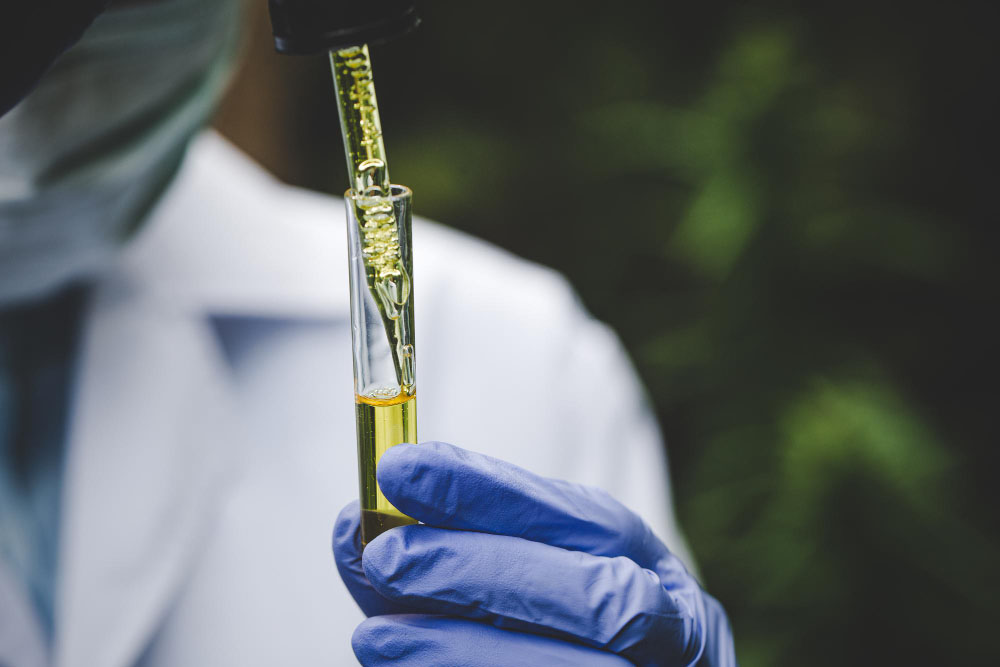
Choosing to undergo Ibogaine therapy is a major life decision, one often made at a deeply vulnerable moment. For many, it is a final hope after countless failed attempts to overcome substance use, trauma, depression, or existential disconnection. That is why our Iboga (Total Alkaloid) TA extraction processes are rooted in science, respect for the plant, and unwavering clinical safety.
At GetIbogaine, we approach this responsibility with care. This article provides a clear, medically grounded explanation of GetIbogaine’s TA extraction processes, how the iboga TA (Total Alkaloid) extraction process works, and what is currently known from scientific research versus anecdotal reports. Our goal is education, not persuasion, so that individuals can make informed decisions grounded in realistic expectations.
In this article, we will walk you through every stage of our iboga TA extraction, from root to resin to readiness, and show how our comprehensive screening process ensures safety at both the chemical and human levels. Also, you are free to take the next step by completing our free, confidential consultation form, allowing you to explore your healing journey with greater informedness and empowerment.
Medical and Educational Disclaimer
Before proceeding, it is important to establish a responsible clinical context.
Ibogaine and iboga TA (Total Alkaloid) are pharmacologically active substances with known physiological effects, including cardiac and neurological interactions. They are not approved medications in many countries and should not be considered substitutes for licensed medical care.
This article is for educational purposes only and does not constitute medical advice, diagnosis, or treatment recommendations. Any consideration of Ibogaine or TA therapy must involve qualified medical professionals, appropriate diagnostic testing, and comprehensive risk assessment.
Importantly, responses to Ibogaine are highly individual. Factors such as genetics, cardiovascular health, liver metabolism, psychiatric history, and medication interactions all influence safety and subjective outcomes. No generalised recommendation can replace individualised medical evaluation.
Readers should also recognise that research into Ibogaine remains ongoing. While promising findings exist, the scientific landscape continues to evolve. Responsible decision-making requires accepting uncertainty alongside potential benefits.
Understanding Iboga TA: A Broader Healing Experience
To understand why extraction safety matters so much, you need to know what Iboga TA is and how it differs from other forms of Ibogaine treatment.
What Is Iboga TA?
“Iboga TA (Total Alkaloid) refers to an extract derived from the root bark of Tabernanthe iboga that contains a spectrum of naturally occurring alkaloids rather than isolated Ibogaine alone.
Unlike Ibogaine HCl, which primarily contains purified ibogaine, TA extracts typically include varying concentrations of ibogaine alongside several structurally related indole alkaloids.
This distinction is pharmacologically significant. A multi-alkaloid preparation introduces additional chemical variability, receptor interactions, and metabolic considerations. While some users describe TA extracts as “broader” in experiential quality, the underlying mechanisms remain incompletely understood.
From a biochemical perspective, the presence of multiple alkaloids may alter onset time, duration, and subjective effects. However, without standardised ratios, consistency becomes highly dependent on the iboga TA (Total Alkaloid) extraction process itself.
What Science Says About TA Composition
Research confirms that ibogaine is the most pharmacologically characterised alkaloid within Iboga preparations.
Ibogaine’s interactions with NMDA receptors, opioid receptors, sigma receptors, and monoamine systems are supported by published literature.
However, the precise clinical roles of minor alkaloids remain largely theoretical. Assertions regarding specific neuroregenerative or mood-modulating effects of compounds such as ibogamine or iboquine are not yet supported by robust human clinical trials.
This uncertainty reinforces why extraction precision matters. Variability in alkaloid profiles may influence both safety and experiential characteristics, underscoring the importance of disciplined TA extraction methodologies.
Why Extraction Quality Matters So Much
Because TA contains multiple alkaloids, the iboga TA (Total Alkaloid) extraction process introduces greater chemical complexity than isolating Ibogaine alone.
Extraction quality directly influences purity, alkaloid stability, reproducibility, and contamination risk. In herbal pharmacology, variability is not unusual, but with cardioactive substances, variability carries greater safety implications.
Chemical Variability Risks
Improper TA extraction can result in inconsistent alkaloid concentrations.
This inconsistency may lead to unpredictable intensity, duration, or physiological stress. While unpredictability is sometimes framed romantically in psychedelic narratives, from a medical standpoint, unpredictability represents a risk variable.
Variability in alkaloid concentration may amplify cardiovascular strain, particularly in individuals with pre-existing vulnerabilities.
Additionally, extraction variability complicates dose estimation. Without analytical verification, identical weights of extract may differ significantly in active alkaloid content.
The Therapeutic Advantage of TA
TA is often used in:
- Psychospiritual detox sessions, where the goal is not just symptom relief but personal transformation.
- Longer treatment protocols, because their effects are more sustained and layered.
- Clients who prefer traditional or indigenous-inspired healing experiences rather than clinical-only protocols.
It is often described as:
- “Deeper, earthier, and more connected”
- “Wider in scope emotionally”
- “More intense but more integrative long-term”
But all of this therapeutic richness also comes with increased complexity. TA is harder to extract, dose, and stabilise than Ibogaine HCl. This makes professional handling of the extraction process not just preferable, but essential.
The Risks of Improper Iboga TA Extraction
While Iboga TA is gaining popularity in healing communities, it is important to recognise the dangers when it is extracted or administered incorrectly. Here is what can go wrong:
1. Alkaloid Imbalance
There is currently no globally standardised alkaloid ratio for TA extracts.
Without analytical testing, concentration differences may alter pharmacodynamic effects. While anecdotal reports describe subjective differences, scientific evidence confirming optimal alkaloid ratios remains limited.
This reinforces why GetIbogaine’s TA extraction processes emphasise reproducibility rather than yield alone.
2. Solvent Residue
Residual solvents may pose toxicological risks.
Pharmaceutical safety frameworks emphasise stringent solvent removal to minimise hepatic and neurological strain. Applying similar cautionary standards improves extract safety even outside formal drug manufacturing contexts.
3. Mould and Microbial Growth
Improperly stored or dried root bark can develop:
- Aspergillus moulds, which produce mycotoxins
- Bacterial biofilms, particularly in humid or coastal regions
- Dangerous levels of moisture that degrade alkaloids and introduce pathogens
These issues can trigger severe immune reactions or gut imbalances post-treatment.
4. Fake or Adulterated Products
In online and unregulated markets, TA is often sold as:
- “Iboga TA” is actually just dried bark powder
- “Extract” that’s been cut with inert fillers
- Products with no actual alkaloid content at all
This creates a situation where vulnerable individuals seeking healing are instead exposed to fraudulent or unsafe substances.
This is why, at GetIbogaine, we treat TA extraction with the same seriousness that pharmaceutical labs treat controlled substances. Our protocols go above and beyond industry standards.

GetIbogaine’s TA Extraction Process: Safety, Science, and Sustainability
We approach TA extraction not as a “product manufacturing process,” but as a sacred responsibility that blends traditional wisdom with modern chemistry.
Here’s how we do it, step by step:
Step 1: Botanical Sourcing and Integrity Checks
We only work with licensed, sustainable harvesters in Cameroon and Gabon, who:
- Operate in accordance with CITES permits and regulations
- Use regenerative harvesting (removing only bark, not the full root)
- Engage in indigenous land stewardship
- Share profit margins with local communities through fair-trade cooperatives
Each shipment of bark is:
- Visually inspected for mould, parasites, and discolouration
- Weighed and batched for traceability
We reject up to 30% of our raw bark intake to maintain consistency and quality.
Step 2: Solvent-Based Extraction in Lab-Grade Settings
Our team:
- Grinds the bark into a uniform powder
- Macerates the powder for multiple cycles at controlled temperatures
- Filters the solution through multi-stage carbon and micron filtration
- Balances pH to ensure complete alkaloid pull-through
We avoid the use of:
- Butane, propane, or industrial acetone
- Plastic or aluminium containers (which can leach chemicals)
- Open-air extraction that can introduce contaminants
This stage takes 2-3 days, including multiple safety and quality checkpoints.
Step 3: Resin Formation and Solvent Purging
After concentration:
- The alkaloid solution is heated at low temperatures in a vacuum environment.
- Solvents are purged until residual levels are below 5 ppm (parts per million), which is well under international safety thresholds.
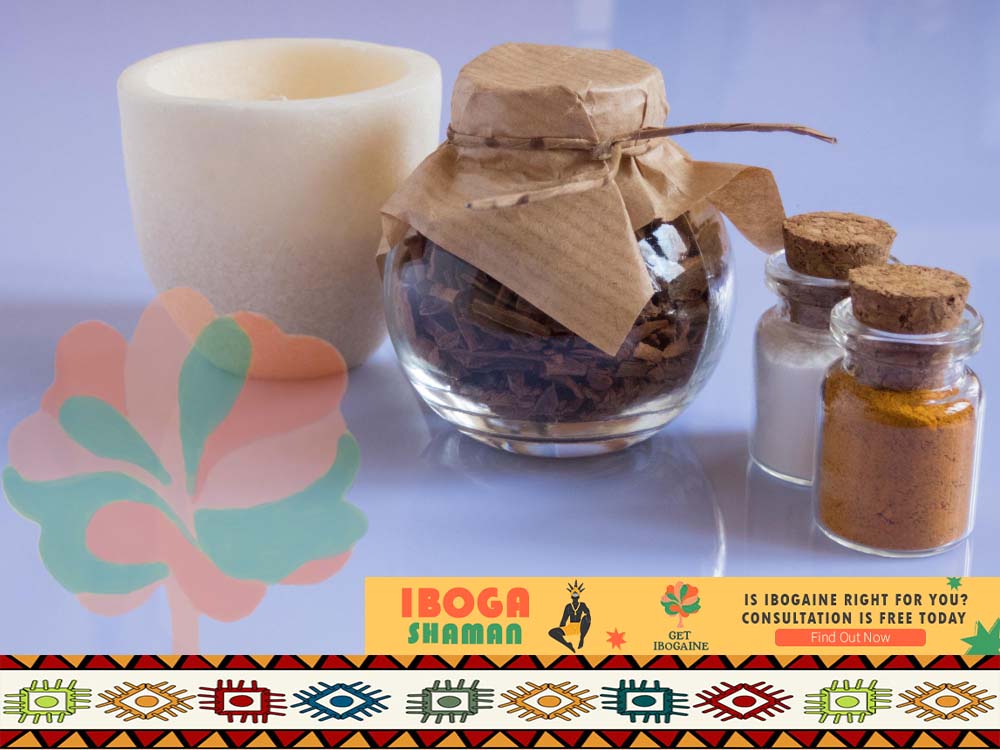
- The remaining resin is stabilised using natural binders, then stored in amber-glass vacuum-sealed containers.
We document:
- The solvent lot numbers
- Batch dates
- Container ID and sealing conditions
This ensures that every dose is traceable to its exact origin and process.
Beyond the Chemistry: The Human Side of Safety (Your Responsibility in Screening)
Safety is not only about what substance is taken; it is equally about who takes it, when, and how. At GetIbogaine, we emphasise that screening is the client’s responsibility and must be carried out with qualified medical professionals before considering an Iboga TA journey.
We do not provide medical screening services or facilities, and we are not responsible for conducting these evaluations. However, because safety is paramount, we outline the type of assessments that every prospective patient should undergo before pursuing treatment.
Why Screening is Non-Negotiable
Ibogaine, especially TA, is:
- Cardioactive
- Neuroplastic
- Emotionally revealing
Administered to someone with unassessed physical or psychological risks, it can cause severe complications. This is why patients must take ownership of their screening process with licensed healthcare providers.
Before considering treatment, patients should obtain professional clearance to ensure they are not at elevated risk.
Key Risks to Assess With Your Physician
- Cardiac conditions (particularly long QT syndrome)
- Liver or kidney impairment affecting detox pathways
- Psychiatric vulnerabilities such as schizophrenia, bipolar mania, or acute psychosis
- Medication conflicts (SSRIs, benzodiazepines, stimulants, and others)
Recommended Four-Phase Screening to Be Done Independently by the Patient
- Medical Intake:
Work with your doctor to document your complete medical history, prior treatments, and any medications or supplements currently in use.
- Diagnostic Testing:
Obtain the following tests through a licensed clinic or hospital:
- 12-lead ECG (within the past 30 days)
- Liver and kidney function tests (ALT, AST, BUN, creatinine)
- Electrolyte panel and complete blood count (CBC)
- Psychological Review:
Request a psychological evaluation to assess for anxiety, depression, trauma/PTSD, and any history of self-harm or psychosis.
- Risk Stratification and Clearance:
A qualified physician should categorise your risk as:
- Low-risk (eligible for treatment)
- Moderate-risk (treatment should be delayed or carefully managed)
- High-risk (treatment not recommended)
Our Position at GetIbogaine
We are committed to education and guidance, but we do not perform medical screenings, nor do we accept liability for screening outcomes. Clients must obtain independent clearance from their healthcare providers.
By taking full responsibility for this process, patients protect themselves and ensure their Iboga TA experience is approached with the necessary preparation, care, and safety.

Take the Next Step: Our Free Consultation Form
We want your healing journey to start with clarity, not confusion. That is why we have created a free, private consultation form designed to:
- Understand your personal background
- Offer honest insight about whether Iboga TA is right for you
- Explain costs, timelines, and program expectations
- Answer all your medical or psychological questions
Once submitted, you will receive:
- A personalised response from our care coordinator
- Medical intake materials (if eligible)
- Optional scheduling of a 1-on-1 consultation
- Access to educational materials and preparation tools
You are not alone. Let us explore this path together.
Final Thoughts: TA Done Right Can Transform Lives
Iboga TA is not a quick fix. A powerful, demanding, and sacred medicine asks a lot from both the provider and the recipient. However, when done correctly, with safety, ethics, and love at the centre, it can be nothing short of life-changing.
At GetIbogaine, we have invested years into refining not just our extraction process, but also our entire care model. From bark to bottle to bedside, we are committed to:
- Ethical sourcing
- Laboratory-grade purity
- Deep clinical screening
- Heart-centred healing
If you or someone you love is considering this path, do not leave safety to chance. Let us walk with you through every step, from question to clarity to transformation.